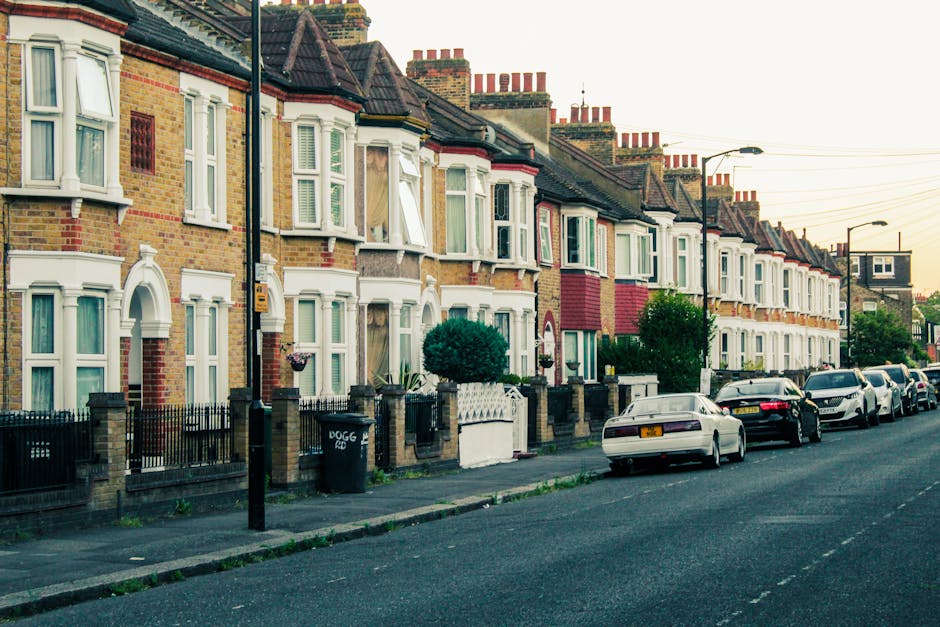
Avoid hidden removals charges in Dagenham: what to know before you book
If you are planning a move in Dagenham, the headline price on a removals quote can look reassuringly tidy. Then the extras start appearing. Stairs, waiting time, long carries, congestion, packing materials, bulky items, parking problems. Suddenly the job costs more than you expected. That is exactly why understanding avoid hidden removals charges in Dagenham what to know matters before you sign anything.
This guide breaks down the typical charges that can creep into a removals bill, how reputable movers usually price jobs, and the questions worth asking before moving day. It is practical, local, and written for anyone who wants a clean quote without surprises. Let's face it, moving is stressful enough without a mystery invoice landing on your doormat.
Table of Contents
- Why hidden removals charges matter in Dagenham
- How removals pricing usually works
- Key benefits of checking charges early
- Who this is for and when it makes sense
- Step-by-step guidance to avoid extra fees
- Expert tips for a cleaner quote
- Common mistakes to avoid
- Tools, resources and recommendations
- Law, compliance, standards and best practice
- Options and comparison table
- Case study or real-world example
- Practical checklist
- Conclusion
- Frequently asked questions
Why hidden removals charges in Dagenham matter
Hidden charges are not just a budgeting annoyance. They can change the whole feeling of a move. A quote that seems competitive at first may become poor value once add-ons are applied for access issues, timing, or extra handling. In a busy part of East London, where streets can be tight and parking can be awkward, the difference between a transparent quote and a vague one can be significant.
Dagenham has a mix of terraced homes, estates, flats, and commercial premises. That variety matters. A move from a first-floor flat near a narrow road is not priced the same as a ground-floor house with easy driveway access. If the company has not inspected the property properly, or asked detailed questions, it may be protecting itself with broad wording that creates room for extra fees later.
There is another issue too: trust. A removal company that explains its pricing clearly tends to be more organised across the board. That usually means better planning, fewer delays, and less friction on the day. You are not simply buying transport. You are buying coordination, handling, and peace of mind.
Expert summary: the cheapest quote is not always the best quote. The clearest quote is often the safest starting point, because it gives you a realistic picture of what you will actually pay.
If you want to compare providers properly, it helps to look at the wider service pages too, such as pricing and quotes, removal services, and choosing a removal company. Those pages can help you understand what is included before the moving van even arrives.
How hidden removals charges usually work
Most removals companies price a job using some combination of time, distance, labour, vehicle size, access, and extras. The hidden part appears when the initial quote does not fully reflect the real conditions. Sometimes that is because the customer did not mention something important. Sometimes it is because the company did not ask the right questions. And sometimes, to be fair, a quote is intentionally vague.
Typical pricing structures include hourly rates for smaller moves, fixed quotes for larger jobs, or a hybrid approach where the base cost is fixed and certain extras are chargeable if they occur. The problem is not the model itself. It is the lack of clarity around what counts as an extra.
Common charges that can appear later
- Long carry fees if the van cannot park close to the property
- Stair carry fees for upper-floor flats or awkward access
- Waiting time charges if keys are delayed or access is blocked
- Parking costs or permits if parking is not arranged in advance
- Bulky item fees for pianos, large wardrobes, exercise equipment, or American-style fridge freezers
- Packing material charges for boxes, tape, wrap, and protection covers
- Assembly or dismantling charges for beds, wardrobes, desks, and other furniture
- Weekend or evening surcharges on certain bookings
- Urgency fees for last-minute moves
Some of these charges are normal in the industry. The issue is whether they are explained in advance and applied fairly. A good company will tell you what is chargeable, what is included, and what assumptions sit behind the quote.
If you are moving home, the pages on home moves, house removals, and man and van can also help you judge which service level fits your move. Smaller jobs may suit a more flexible option, while bigger households usually need a fuller removal setup.
Key benefits of checking charges early
It may sound obvious, but asking about hidden charges before booking gives you a few real advantages that are easy to underestimate.
- More accurate budgeting so you know what you can realistically spend
- Less stress on moving day because there are fewer awkward conversations
- Better comparison between one quote and another
- Fewer disputes about what was or was not included
- Improved planning for access, parking, packing, and timing
There is also a quiet confidence that comes from knowing your move has been thought through properly. You notice it the moment the crew arrives and already understands the access points, the lift situation, and the likely load order. Things just feel calmer. Not perfect, because moving rarely is, but calmer.
For commercial customers, the same logic applies. If you are arranging an office move, the pages on commercial moves and office removals are useful because business moves often involve tighter schedules, equipment handling, and more detailed access planning.
Who this is for and when it makes sense
This topic matters to more people than you might think. It is not just for first-time movers or people on a strict budget.
It is especially relevant if you are:
- moving from a flat with stairs or no lift
- living on a road where parking is limited
- moving into or out of a busy estate or shared block
- booking a same-day or next-day move
- moving large, fragile, or awkward items
- comparing several removal companies in Dagenham
- using a man and van service for the first time
It also makes sense if you are a landlord, tenant, homeowner, or business owner who wants to avoid awkward cost changes at the end of the job. Maybe you are moving one sofa and a few boxes. Maybe you are clearing a two-bedroom home after years of accumulated stuff. Either way, clarity matters.
For people who need flexibility rather than a full household team, man with van, man with a van, and removals near me are useful pages to compare service styles. The right fit depends on volume, access, and how hands-on you want the move to be.
Step-by-step guidance to avoid extra fees
If you want a quote that stays honest all the way through, do not rush this bit. A little effort now can save a lot of irritation later.
- List everything that is moving. Be specific. A "few items" does not help much. Include furniture, boxes, appliances, garden bits, and anything that needs special handling.
- Describe access clearly. Mention stairs, lifts, tight hallways, long driveways, road restrictions, and whether parking is on-street or private.
- Ask what is included. Does the price include loading, unloading, fuel, VAT, blankets, trolleys, and protection materials? Do not assume.
- Check for time-based charges. Ask how waiting time is calculated and when the clock starts.
- Clarify special item pricing. Bulky or delicate items sometimes need extra labour. Better to know now.
- Ask about packing. If you want help with boxes or wrapping, check whether packing and unpacking services are available and whether materials are charged separately.
- Confirm cancellation and rescheduling terms. Life happens. Understand the rules before a date change becomes expensive.
- Put the agreement in writing. Email, quote document, or terms page. Anything clear and traceable is better than a vague phone promise.
One small but useful habit: take photos of the main rooms, staircases, parking space, and any awkward corners. A couple of phone photos sent ahead can prevent misunderstandings. It is basic, almost boring. But boring is good when it stops surprise charges.
And yes, ask the awkward question. "If the parking is difficult, what happens?" That one line can save you a headache later.
Expert tips for better results
Here is where the real-world stuff comes in. In our experience, the best moves are usually the ones where the customer and mover share the same picture of the job.
1. Get the quote based on the actual property, not a guess
If possible, ask for a survey, video call, or at least a detailed item list. A quote based on "probably a medium job" is not much use. You want a quote grounded in reality.
2. Watch the wording around "subject to access"
This phrase can be perfectly normal, but it can also be a loose escape hatch. If a company uses it, ask what specific access issues could trigger extra cost. Make them spell it out. Politely, but firmly.
3. Separate optional extras from mandatory ones
Some companies bundle in protection, dismantling, and carrying. Others charge separately. Neither approach is wrong. What matters is understanding the difference.
4. Check the vehicle type
Sometimes a smaller van quote looks cheaper until the company realises a second trip will be needed. A slightly bigger vehicle can actually be better value. If you need a larger load capacity, pages like moving van or moving truck may help you think through the scale of the job.
5. Ask about insurance and handling
Proper handling and cover do not remove all risk, but they do matter. If a company is vague about this, treat it as a warning sign. You can review the business's own insurance and safety information and its health and safety policy for extra reassurance.
A tiny human note here: the move that looks easiest on paper is often the one with the sneakiest complications. A sofa that just will not fit round the landing. A lift that is "out for maintenance" the morning of the move. The usual chaos, really.
Common mistakes to avoid
Most hidden charge problems come from a few repeat mistakes. The good news is that they are easy to avoid once you know them.
- Booking on price alone. Cheapest is tempting, but not always the cheapest once extras land.
- Under-declaring the load. If the company thinks it is moving ten boxes and it is really thirty, someone will pay for that mistake.
- Ignoring parking and access. A van double-parked on a busy Dagenham road can create delays and extra time charges.
- Not reading terms and conditions. Dry reading, yes. Still worth it. The wording often explains the fee structure.
- Assuming packing is included. It often is not.
- Forgetting about dismantling. Beds and wardrobes are classic sources of extra work.
- Leaving everything until the last minute. Short notice can lead to premium pricing.
One more thing: do not be embarrassed to mention that you are checking. Good companies expect it. If a business acts irritated by straightforward pricing questions, that is information in itself.
Tools, resources and recommendations
You do not need fancy software to keep your move under control. A simple checklist, a notes app, and a few photos can go a long way.
Useful things to prepare before requesting quotes
- a room-by-room inventory
- photos of access points, stairwells, and parking space
- dimensions for large furniture
- a note of anything fragile or unusually heavy
- the moving date, preferred time window, and any access deadline
- the postcodes for both properties
If you are moving contents that are no longer needed, it may also help to think about decluttering before the move. A lighter load is often cheaper and quicker. For that side of the job, you might look at furniture pick up and recycling and sustainability so unwanted items are dealt with responsibly rather than left to add to the moving stress.
For reassurance on how a provider handles payments, business conduct, or customer information, the pages on payment and security, privacy policy, and terms and conditions are worth checking. These are not thrilling pages, admittedly, but they are often where the important bits live.
Law, compliance, standards and best practice
When removals pricing is discussed, the key thing is not to overstate legal certainty. Customer rights, contract terms, and business obligations can vary depending on the arrangement. Still, a few principles are safe to rely on in UK practice.
First, customers should be given clear information before committing to a service. Second, any material limitations or extra charges should be explained in a way that a reasonable person can understand. Third, both sides benefit when the quote and the terms match the real job. Vague promises are rarely your friend.
In practical terms, best practice looks like this:
- the company explains its pricing model clearly
- any exclusions or surcharges are disclosed early
- the customer provides accurate information about the move
- both sides keep a written record of the quote and agreed scope
- complaints and changes are handled through a fair process
If you ever need to raise a concern, a company's formal complaints process is a useful sign of maturity rather than a red flag. You can review the business's complaints procedure if that becomes relevant. And if there is a safety issue on the day, the provider's health and safety policy and insurance and safety information should be easy to understand.
For office moves and business relocations, a more formal approach is sensible. A delay can affect staff, equipment, and trading hours. That is why office relocation services can be a better fit than a simple ad hoc booking when the stakes are higher.
Options and comparison table
Not every move needs the same level of support. Sometimes a flexible man and van setup is enough. Sometimes you need a larger team, more planning, and a dedicated vehicle. The table below gives a simple comparison.
| Option | Best for | Risk of hidden extras | What to check |
|---|---|---|---|
| Man and van | Smaller moves, single items, light flat moves | Medium | Hourly minimums, parking, waiting time, number of trips |
| Full removals service | Family homes, heavier furniture, larger loads | Lower if surveyed properly | What is included, packing, dismantling, access assumptions |
| Office removals | Business relocations, equipment, desks, files | Medium to high if poorly planned | Out-of-hours charges, specialist handling, schedule rigidity |
| Van hire with labour | People who want flexibility and hands-on control | Medium | Labour terms, vehicle size, mileage, fuel, loading responsibility |
If you are weighing up general providers, the pages on removal companies, movers, and removals can help you compare broad service types without getting lost in jargon.
Case study or real-world example
Here is a simple real-world-style example based on a common kind of Dagenham move.
A couple in a first-floor flat booked what looked like a good-value quote for a Saturday morning move. The quote covered loading and unloading, but it did not clearly mention parking or stair carries. On the day, the van had to park further away than expected because the road was already busy. That added time. The lift was not available. That added more time. And one wardrobe needed dismantling before it would fit safely through the stairwell. Another cost.
Nothing outrageous happened. No drama, no scandal. Just a string of small issues that each added a little more to the final bill. The couple did not feel tricked exactly, but they did feel they had not been given the whole picture. A more detailed pre-move conversation would have changed that.
Now compare that with a better-planned move. The customer sent photos of the stairs, measured the larger furniture, confirmed parking arrangements, and asked in advance about dismantling. The company quoted more accurately. The move still took effort, of course, but the final cost matched expectations. That is the goal.
These are the moments that matter. Not big headlines. Just clean information, shared early.
Practical checklist
Use this before you book, and again the day before the move.
- Have I listed every item that needs moving?
- Have I told the company about stairs, lifts, and parking?
- Do I know whether the quote is fixed or hourly?
- Have I asked about waiting time and long carry fees?
- Do I know if packing materials are included?
- Have I checked whether dismantling and reassembly cost extra?
- Have I confirmed the moving date, time, and access arrangements?
- Have I read the terms and conditions?
- Do I know how payment is taken and when it is due?
- Have I saved the quote in writing?
Quick reminder: if anything feels unclear, ask again. There is no prize for pretending you understand a quote that actually makes no sense.
Conclusion
Hidden removals charges are usually avoidable when you slow down, ask clear questions, and insist on a quote that reflects the real move. In Dagenham, where access and parking can vary quite a bit from one street to the next, that extra attention really pays off. You do not need to be suspicious of every company. You just need to be well informed.
Choose clarity over guesswork, keep your checklist close, and make sure the mover knows exactly what they are walking into. That one habit can save money, stress, and a fair bit of muttering on moving day.
If you are comparing providers now, review the relevant pages on pricing and quotes, removal services, and contact us so you can ask the right questions before anything is booked.
Get a free quote today and see how much you can save.
Frequently Asked Questions
What are hidden removals charges?
They are extra costs that are not clearly explained at the start of the booking. Common examples include waiting time, stair carries, long carries, parking issues, bulky items, and packing materials.
How do I avoid surprise fees on moving day?
Give the removal company full details about the property, access, parking, and item list. Ask exactly what is included, get the agreement in writing, and read the terms before you confirm.
Are fixed quotes safer than hourly quotes?
Often, yes, but only if the fixed quote is based on accurate information. A poor fixed quote can still lead to add-ons if the job details were not disclosed properly.
Why do removal companies charge for stairs or long carries?
Because they increase labour time and effort. If the van cannot park close to the property, the crew has to carry items further, which affects the overall job.
Should I mention difficult parking before booking?
Absolutely. Parking is one of the biggest causes of delay and extra time charges. If the road is tight, busy, or permit-controlled, say so early.
Do removals quotes include packing materials?
Not always. Boxes, tape, wrapping, and furniture covers are often charged separately unless the company clearly says they are included.
Can I reduce the cost of my move by decluttering?
Yes. The less you move, the less labour and vehicle space you usually need. Selling, donating, recycling, or disposing of unwanted items can make a noticeable difference.
What should I ask before hiring a man and van in Dagenham?
Ask about hourly minimums, vehicle size, travel time, waiting time, loading help, and whether the quote includes fuel or parking costs. Small jobs can still become expensive if the details are vague.
How can I tell if a removals company is being transparent?
They should answer questions directly, explain what is included, put key terms in writing, and avoid woolly phrases that hide the real pricing structure. Straight answers are a good sign.
Do office moves have different hidden charges from home moves?
Often they do. Office relocations can involve out-of-hours work, IT equipment handling, security access, and stricter timing, so the quote needs to reflect those conditions.
What if the moving day access turns out to be worse than expected?
Tell the company as soon as possible. A good provider will explain the effect on time or labour and help you decide the best way forward rather than springing a nasty surprise at the end.
Where can I check a company's terms before I book?
Look for the provider's terms and conditions, pricing and quotes information, and complaints procedure. Those pages usually explain what happens if the scope changes or if something goes wrong.
Is it worth paying more for a better-reviewed removal service?
Sometimes it is. A slightly higher quote can be better value if it includes clearer pricing, proper planning, and fewer chances of a dispute later. Cheap can be false economy, plain and simple.
What is the best first step if I want a clean, honest quote?
Prepare a detailed inventory and send photos of access points, stairs, and parking. That gives the company the best chance of pricing the move properly from the start.