Man and a Van in Dagenham

Our man and a van in Dagenham service is set up for straightforward moving, collection and delivery work that needs a practical vehicle, careful loading and clear coordination. It suits household items, flat moves, single-room relocations and one-off transport where a full-scale removal service is not required. We keep the focus on safe handling, sensible planning and a direct route from pick-up to drop-off, with the service shaped around the items rather than around unnecessary extra steps.
For customers comparing man and van options, the main difference is usually how much help is needed with lifting, loading and the distance between addresses. Some jobs are simple furniture moves, while others involve mixed household goods, boxed contents or fragile pieces that need a little more care. We can support those different patterns by matching the vehicle space and loading approach to the job in hand, so the move is organised without feeling overcomplicated.
If you already know the broad outline of the job, send a clear enquiry to request a quotation. It helps to have the collection and delivery areas, the type of items and any access limits ready before you ask. That keeps the process focused on the actual work needed and makes it easier to plan the right approach from the start.
Everyday moving support
Our everyday moving support covers the kind of smaller removals that still need proper care. That may include boxes, a sofa, bedroom furniture, white goods or a few larger items that are awkward to move without help. The service is useful when you want the efficiency of one vehicle and one team rather than arranging separate transport for each item. It is also suited to moves where timing matters and the load needs to be handled in a calm, orderly way.
When comparing options such as man with a van or moving van transport, it helps to think about how the items will be moved in practice. A compact load can often be managed quickly, while mixed furniture may need padding, stacking and a little more time for loading. We organise the move around the items, not the other way round, so the service can be adapted to practical needs rather than pushed into a fixed format.
Useful information for a quotation usually includes:
- what needs moving and how many pieces there are
- whether the items are boxed, loose or already dismantled
- if there are stairs, lifts, narrow corridors or parking limits
- the collection and delivery postcodes or general areas
- any items that need extra handling because they are fragile or heavy
Single items, furniture and small loads

Single-item transport is one of the clearest uses for this service. A table, wardrobe, bed frame, appliance or similar piece can be awkward to move in an ordinary car, but a van and loading help make it manageable. This is useful when buying second-hand furniture, moving items between homes or clearing out a room without booking a larger removal job than necessary. The point is not only capacity, but also having the right handling for items that may be bulky, heavy or difficult to angle through doorways.
Where needed, a furniture pick-up can be combined with delivery so that the collection and drop-off are handled as one task. That is often the most efficient way to move a single item bought privately or collected from storage. For customers with mixed pieces, a removal van approach may be more suitable, especially when the job includes several medium-sized items rather than just one object. The important thing is to match the transport method to the load so the move stays practical.
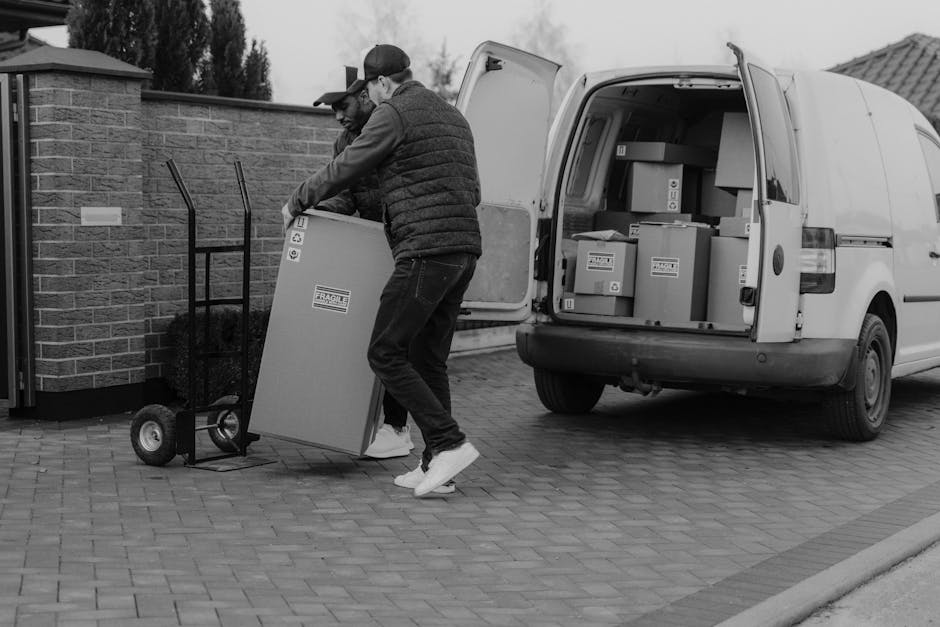
Careful loading matters because the condition of the items matters. Furniture can be scratched by hard surfaces, appliances can shift in transit and boxed items can crush if they are stacked badly. A sensible loading plan uses the space in the van properly, keeps heavier items stable and leaves enough room for safe unloading at the destination. That sort of attention is often what turns a straightforward collection into a smooth one.
Home moves and practical loading
For smaller home moves, this service can bridge the gap between doing everything yourself and booking a large removals operation. It works well for studio flats, one-bedroom properties, student moves and partial household relocations where the load is important but not excessive. People often choose this kind of service when they want help with the heaviest pieces, want fewer trips or simply prefer to have the transport handled by someone else. The emphasis stays on practical support rather than formality.
If your move is closer to a fuller household relocation, pages such as home moves and house removals describe broader moving support. By contrast, the man and van option is usually the leaner choice when the inventory is smaller or spread across only a few key items. That can be helpful for people moving from rented accommodation, moving into furnished property or sending selected items to another address without relocating the whole home.
Before asking for a quote, it is worth checking whether anything needs dismantling or rebuilding at either end. Access details are also useful, especially if parking is limited or the property has a long carry from the vehicle. A short note about these points gives a better picture of the work involved and helps the quotation reflect the real task rather than a rough guess.
Office, business and commercial transport
A man and van service can also suit smaller commercial tasks where the load is limited but still important. That may include office chairs, filing cabinets, desks, stock, exhibition materials or boxed equipment that needs to reach another site in good order. It can be a practical choice for small firms, landlords, tradespeople and organisations that need items moved without the scale of a full office removal. The key is careful handling and a schedule that fits the job rather than wasting time.
For fuller workplace moves, office removals and commercial moves are better references for larger or more structured relocation work. Still, many everyday business transport tasks are simpler than a full move and can be handled efficiently with the right van space and loading plan. That includes moving surplus furniture between sites, taking items to storage or shifting equipment after an internal reorganisation.
Business customers often need clarity on a few basics: what is going, what is staying, where it needs to go and how much handling is involved. When those details are clear, the vehicle size and time needed can be judged more accurately. If there are fragile screens, mixed stock or awkward loading points, it is better to mention them early so the plan accounts for the actual work.
How we approach each job

Every job is approached by looking at the load, the access and the delivery requirements together. That means a small move does not get overcomplicated, but a more demanding job still gets the attention it needs. We can help with lifting from ground floor properties, upper floors, shared entrances and locations where careful manoeuvring is important. The aim is to keep the process orderly from the first item loaded to the last item delivered.
When the job includes a mix of boxed items and furniture, the loading sequence becomes especially important. Heavy items need to be placed so they do not crush lighter contents, and fragile pieces should be secured so they do not slide during transit. A well-planned load protects the goods and also makes unloading easier, because the right items can be reached without unpacking everything else first. That practical order is often the difference between a rushed trip and a controlled one.
If you are preparing to ask for a price, a clear list is helpful, but it does not need to be complicated. A few notes about the items, the route and any access issues are usually enough. Where possible, it is sensible to separate what is definitely going, what may be optional and what is not part of the move. Clear instructions reduce avoidable surprises and make it easier to set expectations accurately.
Packing, protection and careful handling
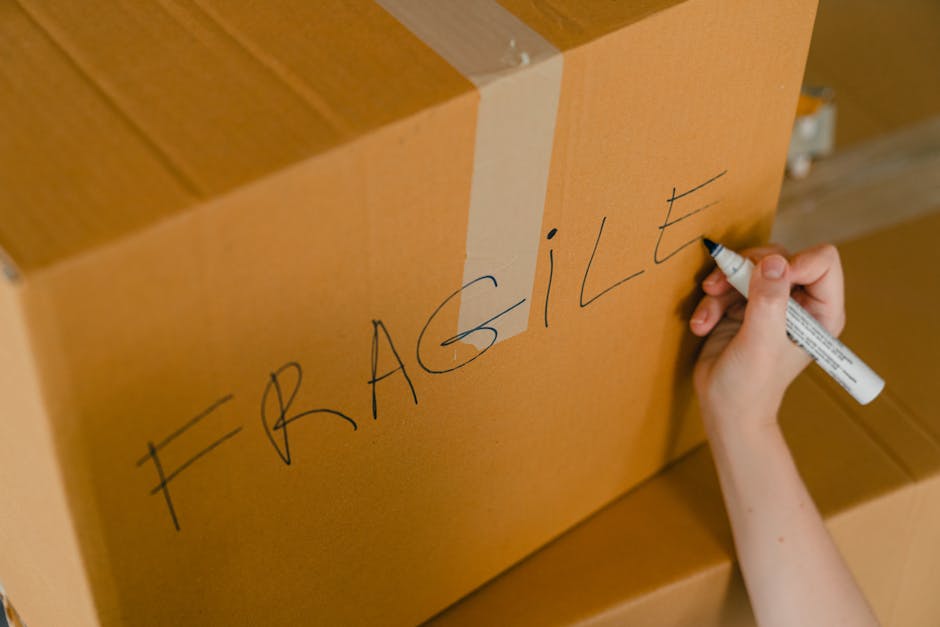
Packing support can make a smaller move much easier to manage, especially when the load contains mixed household goods or delicate items. Boxes should be sturdy and sealed properly, while breakable contents benefit from sensible wrapping and clear labelling. Furniture can be protected with covers, blankets or other padding where appropriate, particularly if corners or surfaces might be vulnerable during loading and transit. The objective is to keep everything stable and presentable at the destination.
For customers who want help with the preparation side of moving, packing and unpacking services offer a broader option than transport alone. That may be useful where time is limited or where the move includes items that need a more orderly setup. Even when full packing support is not required, it is still worth making sure loose items are contained well before the van arrives, because loose pieces slow down loading and can complicate the route through the property.
We also look at how items are handled at both ends of the move, because good protection is not only about the vehicle ride. Door frames, stair edges and narrow turns can all affect the way larger pieces are carried. A measured approach keeps the item, the property and the people moving it in better condition. That is especially important when the load includes polished furniture, appliances or pieces with glass.
Pricing factors and quotation details
Quotation details are usually shaped by a handful of practical factors rather than by a single simple rule. The amount and type of items, the collection and delivery distance, access at each property and the time needed for loading all play a part. A short local collection with one or two items will naturally be different from a longer move with multiple stops or difficult access. Good pricing should reflect the actual work being carried out.
Our pricing and quotes page is useful if you want to understand how a quote is put together before sending an enquiry. It gives a place to think through the job in a more structured way, which can be helpful if the move is partly planned or if a few details are still being confirmed. When you are ready, the most useful enquiry is one that sets out the essential facts plainly, so the quotation can be based on the real job rather than broad estimates.
Include the items, addresses and timing needs as clearly as you can. If there are multiple pick-ups, an awkward parking arrangement or a narrow stairwell, mention those points in the same message. A concise but complete description is better than a long one that leaves out a key detail. That saves time on both sides and helps make sure the quotation matches the move.
About Dagenham
Dagenham is a large district in East London within the London Borough of Barking and Dagenham, shaped by its position near the River Thames floodplain and by the growth of suburban development during the twentieth century. The area includes long-established residential neighbourhoods, post-war estates and newer regeneration projects, with transport links that connect it to the wider capital. Dagenham’s history stretches back much further than its modern streetscape, and it appears in records as a rural settlement before urban expansion changed its character. The old village core is still remembered through places such as St Peter and St Paul’s Church, while the broader district reflects the layered changes of industry, housing and civic planning. Dagenham is also associated with the former Ford plant, which played a major role in local employment and identity for decades. Green space is another feature of the area: Parsloes Park provides a substantial open landscape with sports pitches and walking routes, while Eastbrookend Country Park and nearby wetlands show how the district sits close to more natural edges of the borough. The River Beam and the wider drainage landscape have also influenced the way the land has been organised and used. Public transport, schooling, libraries and community facilities give the district an everyday urban rhythm, but the surrounding physical setting still leaves traces of the older Essex landscape beneath the built environment. As a place, Dagenham combines long local continuity with the practical realities of a modern London borough, making it distinct in both historical and contemporary terms.
Household removals with a simpler footprint

Not every household move needs a large team or a full-scale removals operation. A man and van arrangement can be the better choice when the inventory is modest, the distance is manageable and the customer wants a more direct service. It can work for partial moves, overflow items, storage runs and the transport of furniture that would be difficult to move in a standard vehicle. The service remains flexible, but it is still grounded in proper handling and sensible planning.
When the move is more comprehensive, pages such as house movers and man and van removals help show the range of support available. Some customers only need help with one or two heavy pieces, while others want a moving vehicle and loading support for several rooms of belongings. The right option depends on the size of the load, the access at each end and how much labour is needed to move everything safely.
If there are items that can be dismantled, that often makes loading easier and can reduce the chance of damage. Beds, tables and shelving sometimes travel more cleanly in sections, provided the fixings are kept together and the parts are labelled. Small preparation steps like that can make a noticeable difference, especially when the move involves tight corners or a limited lift area.
Access, timing and useful job details
Access details are often the part of the job that makes the biggest practical difference. A property with level entry is simpler than one with several flights of stairs, and a short loading distance is easier than a long carry from a distant parking bay. Timing can also matter if the delivery window is fixed or if access to a building is restricted to certain hours. These are not complications for the sake of it; they are the details that shape the real work.
The best quotations are built on precise but manageable information. If you know the number of boxes, the dimensions of large furniture, whether items can be stacked and whether a second address is involved, include those points. contact us is the natural next step when the outline is ready, especially if you want the quote to reflect a specific collection plan rather than a general idea. A few accurate details usually do more than a long description with gaps in it.
We keep enquiries straightforward, because moving should feel organised rather than administrative. If you are comparing service types, think first about the items and the access, then about the level of help needed. That order makes it easier to decide whether the job is best treated as a single-item collection, a partial house move, a business transport run or a larger removals project.
Make your quotation request clear

The simplest way to request a quotation is to set out what needs moving, where it is going and when you would like it carried out. If there are stairs, parking restrictions, lifts or fragile pieces, mention them in the same message. That gives a more accurate view of the work and helps avoid back-and-forth over details that are easier to explain once. For many customers, that is all that is needed to begin planning the job properly.
When you want to compare moving support, the removal services page can help you place a smaller van-based move alongside wider removal options. Some jobs are simply more suited to a compact, practical arrangement, especially when the load is not large enough to justify a bigger operation. If you are ready to proceed, make your enquiry now and request a quotation in plain terms so the next step can be arranged efficiently.
We aim to keep the service direct, careful and fit for purpose, whether the job involves one item, several pieces of furniture or a small household load. If you know the basics, send your details and ask for a quotation. If you are still deciding between options, use the service pages to match the task to the right kind of move and then come back with the facts that matter most.