


Becontree Estate removals guide for flats and stairs Dagenham
Posted on 19/06/2026
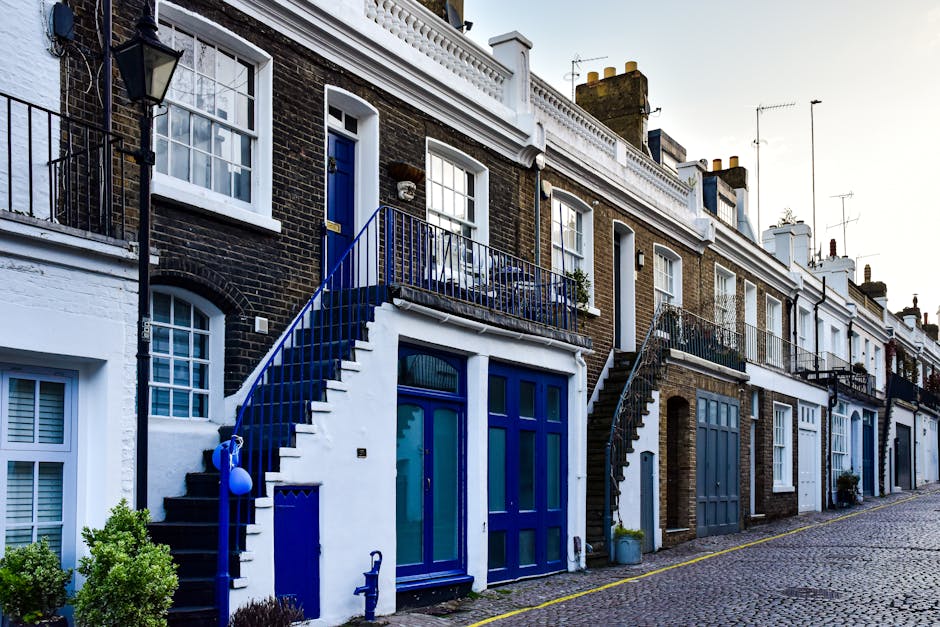
If you're moving in or out of Becontree Estate, you already know the tricky bit is rarely the packing. It's the stairs, the tight landings, the awkward corners, and the little surprises that only show up when a sofa meets a narrow turn. This Becontree Estate removals guide for flats and stairs Dagenham is here to make the whole process feel calmer, safer, and a lot more manageable. Whether you're in a top-floor flat, a maisonette, or a block with shared access, the right plan can save time, stress, and a few sore arms.
In this guide, we'll cover what makes these moves different, how to prepare properly, what to watch for on removal day, and when it makes sense to use a specialist local team. You'll also find a checklist, a comparison table, and practical tips that are easy to follow even if you're juggling work, family, or a very stubborn wardrobe.
Need a broader look at moving services in the area? You may also find removals in Dagenham and flat removals Dagenham useful as supporting pages while you plan.
Why Becontree Estate removals guide for flats and stairs Dagenham Matters
Becontree Estate is a place where the shape of the building matters almost as much as the postcode. Flats can mean communal entrances, tighter stairwells, shared hallways, and limited outside space for loading. That changes everything. A move that would be straightforward from a ground-floor house can become fiddly once you add staircases, awkward bannisters, and neighbours coming and going at the same time.
Why does that matter so much? Because removals are part logistics, part patience. If you plan for the building rather than against it, you reduce damage risk and make the day smoother for everyone involved. A good move is usually not the one where nothing is difficult. It's the one where the difficulties were expected and handled well.
There's also a local reality here. In Dagenham, many moves involve a mix of older estates, modern flats, and properties with shared access routes. That means timing, vehicle access, carrying distances, and stair protection all play a bigger role than people first assume. A little planning goes a long way, honestly.
Expert summary: Stair-heavy flat moves succeed when you plan for access, protect the building, reduce the number of trips, and keep heavy items under control from the start.
How Becontree Estate removals guide for flats and stairs Dagenham Works
The process is simple on paper, but the details matter. You start by assessing the flat, the access route, and the volume of items. Then you decide what can be dismantled, what must be carried upright, and what might need extra help. From there, the move is built around safe lifting, sensible packing, and a clear order of loading.
In practice, the best removals for stair access usually follow the same rhythm:
- Survey the access - check stair width, turns, entry codes, parking access, and whether there's a lift or just stairs.
- Sort the furniture - identify bulky items, fragile items, and anything unusually heavy.
- Pack by room - this keeps unloading simple and reduces confusion later.
- Protect the route - covers, blankets, and careful handling help protect walls, banisters, floors, and doorframes.
- Load in the right order - heavy and solid items go in first, with fragile boxes secured last.
- Unload with the same care - the move is not over until every item is safely inside and placed where it belongs.
For many residents, a man and van Dagenham option is a practical middle ground, especially if the job is smaller but still needs professional handling. For larger or more complex property moves, house removals Dagenham may be the better fit, even if the current home is a flat, because the planning and equipment can be scaled up.
To be fair, not every move needs a full-scale crew. But if you're facing a third-floor walk-up with a fridge, a bed frame, and a wardrobe that looked much smaller in the shop, you'll probably want experienced help. That's just common sense.
Key Benefits and Practical Advantages
The main advantage of planning a stair-focused move properly is not just speed. It's control. You get fewer surprises, less damage, and a more manageable day. That matters when you're already dealing with lease dates, cleaners, utility changes, and the general chaos that comes with moving home.
- Lower damage risk: walls, floors, bannisters, and furniture are less likely to be scratched or knocked.
- Better time management: clear access planning reduces waiting around and repeated trips.
- Less physical strain: the right lifting technique and route planning reduce unnecessary effort.
- More predictable costs: when access is known in advance, quotes can be more accurate.
- Less stress on moving day: a tidy plan is surprisingly calming when the kettle is still in a box somewhere.
There's another advantage people overlook: neighbour relations. In shared blocks, a move can be noisy and disruptive. Careful timing, respectful parking, and a neat loading pattern make the day much less annoying for everyone else. That sounds small, but it can save a lot of awkwardness.
If you're comparing providers, it can help to look at the wider services overview and the company's about us page so you know what level of support they actually offer, rather than guessing from the name alone.
Who This Is For and When It Makes Sense
This guide is for anyone moving in Becontree Estate or a similar Dagenham block where stairs are part of the job. That includes tenants, first-time buyers, downsizers, students, and families moving between flats. It's also useful for landlords arranging a tenant changeover and for anyone helping a relative move who may not be comfortable carrying items up and down stairs.
It makes particular sense if you're dealing with any of the following:
- a top-floor flat with no lift
- tight internal staircases
- shared entrances or communal hallways
- large furniture that will not fit easily around corners
- limited parking close to the entrance
- a short completion window or move-out deadline
A common local scenario is the Friday afternoon move where the keys arrive late, the weather turns, and the parking is already awkward. In that moment, good preparation is everything. Same-day flexibility can help in some cases, so if timing is tight, a same day removals Dagenham service may be worth discussing early.
Not every move needs bells and whistles. But if you know the stairs are going to be the main challenge, then this is exactly the sort of move where specialist planning pays off.
Step-by-Step Guidance
Here's a practical way to approach the move without making it more complicated than it needs to be.
1. Walk the route before move day
Measure stair width, note the number of turns, and check if furniture can be angled through doorways. If you're moving from an upper floor, pay attention to landings. A sofa that looks fine in the hallway can suddenly become impossible at the turn. It happens all the time.
2. Separate what must be dismantled
Flat-pack beds, wardrobes, and some dining tables are often easier and safer to move in parts. Keep fixings in labelled bags and tape them securely to the correct item. It sounds basic, but it saves time later when you're trying to rebuild furniture with one Allen key and fading optimism.
3. Pack with the staircase in mind
Use sturdy boxes, avoid overfilling them, and keep the heaviest items in smaller boxes so they're easier to carry. Boxes should be sealed properly and marked with the room and any handling notes such as "fragile" or "this side up". If you want practical packing support, packing and boxes Dagenham is worth looking at before the move date creeps up on you.
4. Reserve parking and loading space where possible
Even a perfectly organised move can stall if the van cannot get close enough. Short carry distances are a big help on stair jobs because they reduce fatigue and the risk of dropping items. If parking is awkward, tell the movers in advance so they can plan the team size and equipment around it.
5. Protect the property before lifting begins
Good removals teams use blankets, covers, and careful handling to protect both the furniture and the building. This matters in Becontree Estate where communal areas may be narrow and walls can mark easily. A few minutes of protection can save a lot of repair hassle. And yes, the little scuff on the landing does count.
6. Load heavy items first and secure them properly
Heavy items like wardrobes, washing machines, or chests of drawers should go in the van first and be secured so they don't shift in transit. Boxes and lighter items can then be layered around them. This is one of those "simple but not simple" things that removal teams get better at with experience.
7. Do a final sweep before you leave
Check cupboards, windows, shelves, and behind doors. Flats often hide small items in odd places, and stair moves are the worst time to realise your charger is still plugged in behind the bed. We've all been there.
Expert Tips for Better Results
If you want the move to feel smoother, these are the things that genuinely help.
- Use smaller boxes for books and tools. Heavy boxes are harder to carry on stairs and more likely to split.
- Disassemble early. Don't leave bed frames or wardrobes until the last minute.
- Keep a clear "first night" bag. Put essentials, chargers, toiletries, and a change of clothes somewhere easy to reach.
- Label by destination room. "Kitchen" or "Bedroom 2" is more useful than vague notes.
- Tell the movers about anything awkward. A piano, oversized mirror, or antique sideboard should never come as a surprise.
- Check insurance and safety arrangements. It's worth knowing how items are protected during loading and transit.
If the move includes heavier household pieces, you may want to browse furniture removals Dagenham or even piano removals Dagenham if something unusually delicate or heavy is involved. Not every provider handles those items in the same way, so asking upfront is sensible.
A small but useful tip: keep a roll of tape, marker pen, cloth, and snack somewhere you can reach it. Moving day has a way of stretching out longer than planned. Funny how that happens.

Common Mistakes to Avoid
Most stair-related moving problems come from the same handful of mistakes. The good news is they're easy to avoid once you know what to watch for.
- Underestimating the access. A stairwell can look generous until a mattress hits the turn.
- Overfilling boxes. Too much weight makes stair carrying slow and risky.
- Skipping measurements. Guesswork is not a moving strategy.
- Leaving parking too late. A van stuck a long way from the entrance adds unnecessary strain.
- Not preparing the furniture. Loose shelves, doors, and drawers are trouble waiting to happen.
- Forgetting building rules or neighbour etiquette. Shared blocks can have quiet periods, access controls, or loading expectations.
One of the more common errors is assuming every mover can handle every flat move in the same way. That's not really true. Some jobs are small and straightforward. Others need a proper plan, extra hands, and a bit of patience. If you're unsure, it's better to discuss the details early than to improvise on the stairs. That rarely ends well.
Tools, Resources and Recommendations
You don't need a garage full of gear to move well, but a few tools make stair-heavy removals much easier.
| Tool or resource | Why it helps | Best for |
|---|---|---|
| Strong double-walled boxes | Reduces splits and keeps contents stable | Books, kitchenware, small electronics |
| Furniture blankets | Protects surfaces during carrying and transit | Tables, wardrobes, drawer units |
| Labels and marker pens | Makes unloading quicker and less chaotic | Room-by-room packing |
| Tool kit | Helps dismantle and reassemble furniture | Beds, shelves, flat-pack furniture |
| Protective wrap | Keeps drawers and doors shut during movement | Cabinets, small appliances |
| Short carry route planning | Reduces physical strain and time loss | Any flat with stairs or shared access |
It can also help to compare the service type you need before you book. A light move may suit a man with a van Dagenham option, while a busier or more complicated move may call for broader removal services Dagenham. The goal is not to buy the biggest service. It's to choose the right one for the building, the furniture, and the timeline.
If you'd like to see how a company describes its working standards, the health and safety policy and insurance and safety pages are usually worth a careful read. That is not glamorous reading, granted, but it tells you a lot.
Law, Compliance, Standards, or Best Practice
For a flat move in a shared estate, the main compliance concerns are usually practical rather than dramatic. You're generally thinking about safe manual handling, reasonable care of common areas, and respecting building rules. In the UK, removal work is normally expected to follow sensible lifting practices and to avoid preventable damage or obstruction. If a block has quiet hours or loading guidance, it's wise to follow them.
Best practice also means being clear about who is responsible for what. That includes access arrangements, parking, dismantling, packing quality, and what happens if a piece of furniture won't fit safely through the route. Clear communication matters more than people realise.
If you are arranging storage between moves, check the arrangement carefully and make sure items are listed and handled consistently. A delay between moving out and moving in can be stressful, but it does not have to be messy. For some households, storage Dagenham is a practical buffer when completion dates or tenancy dates do not line up neatly.
For payment, booking terms, and general service expectations, it's sensible to review payment and security and terms and conditions. Small print is dull, yes, but it prevents misunderstandings. That alone is worth the minute or two.
Options, Methods, or Comparison Table
Choosing the right approach depends on how much you're moving, how difficult the stairs are, and how quickly you need the job done.
| Option | Best for | Strengths | Trade-offs |
|---|---|---|---|
| DIY with a rented van | Very small loads and low-risk access | Can be cheaper upfront | More lifting, more risk, more time pressure |
| Man and van | Small to medium flat moves | Flexible, practical, straightforward | May not suit bulky furniture or difficult staircases alone |
| Full removal service | Larger flats or more complex access | More support, better handling, less stress | Usually costs more than a basic option |
In real terms, the right choice often comes down to how much heavy lifting you want to do yourself. If your move involves just a few boxes and a light bed frame, a compact service may be enough. If you've got a sofa, appliances, and a narrow staircase with a landing that seems to shrink by the year, a fuller service is usually the better call.
For a better sense of service fit, you can review removal van Dagenham and removal companies Dagenham. That comparison stage is useful because it helps you match the job to the right level of support, not just the nearest available date.
Case Study or Real-World Example
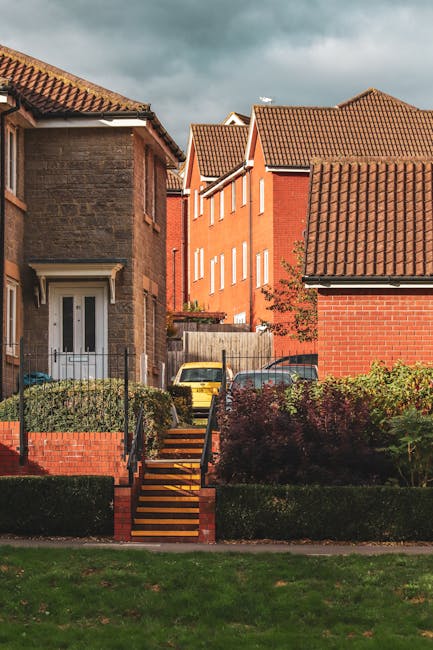
Picture a typical Becontree Estate move: a second-floor flat, two bedrooms, no lift, a narrow communal stairwell, and a couple of bulky pieces that were never really designed for staircases. The resident had packed the boxes neatly enough, but the big concern was the sofa and the wardrobe.
On inspection, the route turned out to be doable but tight. The wardrobe needed partial dismantling. The sofa would fit, but only if it was carried with the right angle and the hallway was protected. Parking was arranged as close as possible to the entrance, which cut down the carry distance. The heaviest boxes were kept small enough to lift safely, and the team loaded the van in a way that kept the fragile items secure.
The move itself still took effort. Of course it did. But because the staircase had been planned around rather than treated as an afterthought, there were no rushed decisions, no dragging, and no panicked pivoting in the corridor. The resident later said the difference was less about speed and more about calm. That feels about right.
Truth be told, calm is a very underrated moving tool.
Practical Checklist
Use this checklist the day before and on the morning of the move.
- Confirm access times and any building rules
- Check parking space or loading access
- Measure stair width, turning points, and doorways
- Disassemble bulky furniture where needed
- Label all boxes by room
- Pack a separate essentials bag
- Keep tools, tape, and important documents aside
- Protect floors, walls, and bannisters where possible
- Tell movers about fragile, heavy, or awkward items
- Do a final sweep of cupboards, shelves, and loft or storage spaces
- Photograph the flat if you need a record of its condition
- Keep keys, paperwork, and phone chargers close by
If you're still comparing options at this stage, it may help to look at broader removals Dagenham support alongside pricing and quotes so you can match the service to the job before time starts disappearing.
Conclusion
Moving from a Becontree Estate flat with stairs does not have to feel like a battle. With the right preparation, realistic planning, and a removals approach that respects the building, the day becomes far easier to handle. The big wins are usually simple: measure properly, pack sensibly, keep access clear, and use the right support for the load.
That's the heart of this guide. Not perfection. Just fewer headaches, fewer unnecessary risks, and a move that feels under control from the first box to the last lamp shade. And if you're moving soon, take a breath. It really can be done well, even on a staircase that looks a bit too narrow for comfort at first glance.
For more background on the team and how they work, visit about us or get in touch through the contact page when you're ready to talk through the details.
Get a free quote today and see how much you can save.

